Learning Stagflation Basics
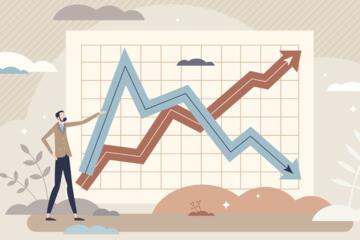
Stagflation is a mix of stagnant economic growth and inflation rising simultaneously. It challenges traditional responses because inflation usually accompanies robust growth. From 1970 to 1980, U.S. inflation peaked above 13%, while GDP growth stagnated near zero for extended periods. In practice, this means rising prices without job growth or income gains, a bind for households and companies alike.
Imagine manufacturing costs surging by 7% annually, while product demand remains flat or shrinks. For example, steelmakers during the 1970s faced input cost hikes without matching sales increases.
Stagflation combines inflation with recession risks — a rare economic beast that leaves few straightforward options for decision-makers.
Common Stagflation Missteps
Trying to combat inflation by tightening monetary policy can deepen recession, a blunt tool in this context. Many assume inflation always signals overheating economy, but stagflation flips that script. Overly optimistic revenue forecasts during stagflation lead to inventory gluts and layoffs; underestimating inflation causes budgets to break.
Ignoring supply chain breakdowns or energy shocks, which often trigger stagflation, leads to misallocating resources. For instance, tech firms that bet on booming consumer spending during stagflation faltered in the 1970s.
What Works During Stagflation
Shift to Real Assets
Investing in commodities such as gold or oil hedges against price inflation since their values tend to rise during stagflation. Take gold: from 1970 to 1980, its value increased over 2000%. For companies, owning or contracting fixed-price raw materials before inflation peaks minimizes cost shocks.
Price Power and Agile Pricing
Pass cost increases down without losing customers by enhancing pricing models. Use dynamic pricing software like Vendavo or PROS to adjust in near-real-time. Retailers with flexible pricing in energy-scarce markets retained 90% margins even as input costs climbed.
Focus on Productivity Gains
Stagflation squeezes profit margins, so boosting output per labor hour shields businesses. Lean manufacturing, automation tools like UiPath, and training investments reduce unit costs by 5–10%. Some firms reduce headcount but maintain output—effective but difficult.
Debt Management
High inflation erodes debt value, but rising interest rates can increase borrowing costs. Locking in fixed-rate debt or paying down variable debt lightens interest burdens. In 1979, companies with fixed-rate loans saw effective interest decline nominally; floating-rate borrowers suffered painful hikes.
Value Dividend Stocks
Certain dividend-paying stocks, like utilities or consumer staples, outperform as they distribute steady income amid price volatility. Data from S&P 500 dividends show over 8% annual yields during 1970s stagflation. Dividend reinvestment also combats purchasing power erosion.
Expand Cost Transparency
Detailed internal reporting helps flag inflation-driven cost shifts early. Use ERP systems like SAP S/4HANA or Oracle to analyze expense trends monthly. Early detection prevents surprises when input prices rise 4–6% quarterly.
Supply Chain Diversification
Relying on a single supplier or geography exposes businesses to inflation shocks. Distributing purchases reduces risk; having backup suppliers in lower-inflation zones (e.g., Southeast Asia vs. Europe 2022) helps keep costs stable.
Adjust Inventory Practices
Holding more inventory can protect against rising input costs but ties up cash. Firms using just-in-case supply chains saw fewer interruptions in 2022 compared to lean just-in-time models, which struggled severely.
Selective Wage Management
Since inflation pressures wage demands, selective increases or bonuses for high-impact roles reduce overall labor cost hikes. Balancing employee retention with cost discipline proved effective for manufacturers in late 1970s.
Business Examples in Context
Consider a mid-size food producer, facing wheat price inflation above 10% annually. They locked forward contracts in 2021 with suppliers, stabilizing raw material costs despite market surges. Sales stayed steady as the company adjusted retail prices quarterly using real-time market analysis tools.
Another is a specialty chemicals company that shifted 30% of production to lower-energy-cost countries mid-2022. Despite initial setup costs, overall margins increased 4% by Q4 because of lower input inflation compared to domestic plants.
Ready Stagflation Checklist
| Action | Focus | Benefit | Example Tool |
|---|---|---|---|
| Invest real assets | Inflation hedge | Preserves value | SPDR Gold ETF |
| Use dynamic pricing | Revenue protection | Margin control | Vendavo |
| Boost productivity | Cost efficiency | Lower unit costs | UiPath |
| Manage debt wisely | Interest control | Cost certainty | Fixed-rate loans |
| Hold dividend stocks | Income stability | Cash flow boost | Vanguard Utilities ETF |
Avoiding Setbacks
Chasing high-growth stocks during stagflation often disappoints; earnings decline under inflation stress. Don't ignore inflation data; lagging indicators, like producer price indexes, offer early warnings. Misreading cost trends leads to sudden crises, especially if pricing power is weak.
Rushing to cut costs too deep erodes quality and customer loyalty. That brittle approach caused several retailers’ failures in 1979. Instead, focus on critical cost controls, and leave room for strategic investments.
FAQ
What is stagflation?
It is when an economy experiences stagnant growth combined with rising inflation and high unemployment simultaneously.
How does stagflation affect investments?
It reduces real returns on bonds, pressures stocks with low pricing power, and boosts commodities and inflation-protected securities.
Which sectors perform best during stagflation?
Consumer staples, utilities, and energy sectors tend to hold value since demand for their goods remains steady or increases.
How can companies manage costs in stagflation?
Companies optimize productivity, diversify suppliers, and use agile pricing to pass costs to customers without losing sales.
Is stagflation likely to return soon?
Some economists warn current inflation and slowing growth could produce stagflation-like conditions; preparedness matters.
Author's Insight
My experience during the 2008 inflation spikes taught me that reacting too late costs more. Planning for input cost volatility preserved margins when energy prices jumped unpredictably. One overlooked tactic: syncing finance and operations early to reconcile cost forecasts monthly. That saved a client from a cash crunch in Q3 '18, which, frankly, most people skip.
Key Points
Stagflation demands a balance of defensive and proactive steps: invest in inflation shields, sharpen pricing, and manage costs without sacrificing core capabilities. Companies and investors overcome its trap by avoiding blind cuts and planning with real data. Prioritize agility over rigid strategy and keep a close eye on economic signals.